
Hero Story - Profiles
Profiles

2026 Newsmakers of the Year: Universal Epic Universe
The Groups Today “Newsmakers of the Year” initiative recognizes the individuals, organizations, associations, and companies that have recently made the biggest impact on the group travel industry. Fro...
Read More
Five Minutes With … Shannon Stowell
Shannon Stowell, CEO, Adventure Travel Trade Association
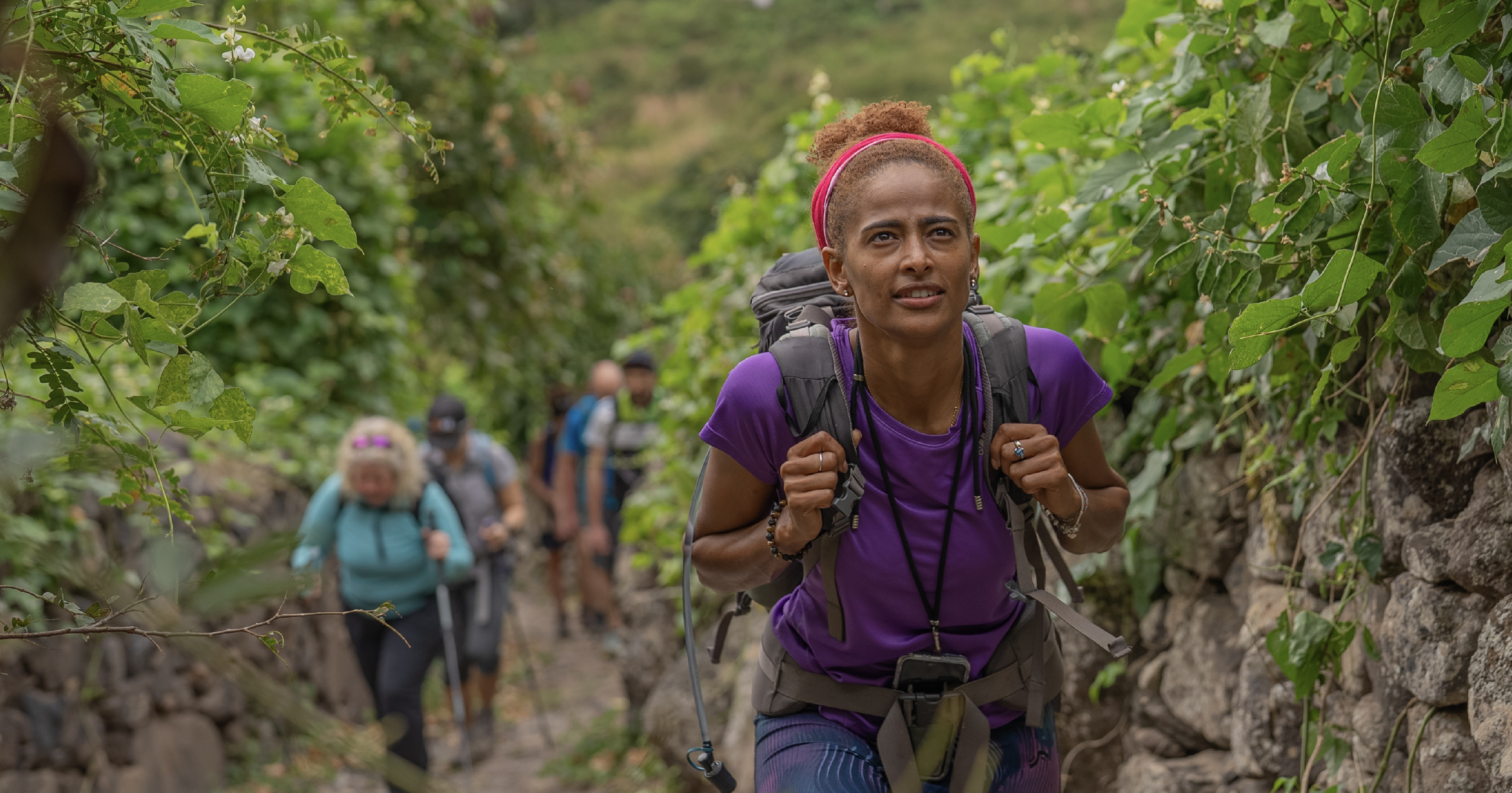
The Adventure Travel Trade Association (ATTA) has published its 2025 Adventure Travel Market Sizing Report, proving that adventure travel is no longer a fringe segment of tourism. Groups Today caught up with ATTA CEO Shannon Stowell to learn more.
What findings from this report should group-travel planners pay closest attention to?
Group-friendly demand is large. Roughly two-thirds of outbound international travelers are “open to adventure,” meaning a majority are receptive to adventure elements within organized trips, even if adventure isn’t the primary reason for travel.
Soft and moderate adventure dominate group suitability. The largest market share falls into Experience Samplers, Cultural Explorers, and Nature Enthusiasts, segments that align well with guided, small-group itineraries rather than extreme or technical adventures.
Groups benefit from blended itineraries. Market sizing data shows that travelers increasingly combine culture, nature, and light physical activity, reinforcing the value of multi-interest group programs over single-activity tours.
Scale favors small groups, not mass travel. The report emphasizes adventure travel’s economic impact through locally led, small-scale experiences, signaling that growth in group travel is strongest in thoughtfully sized groups rather than large coach-style formats.
How do you see adventure travel evolving within the group sector over the coming years?
Adventure travel in the group space will become more accessible and experience-focused. This means adventure won’t just be about physical challenge—it will increasingly blend culture, nature, food, and light activity that appeals to a wider range of travelers. Small, thoughtfully designed groups will continue to outperform large formats, especially when trips are locally led and sustainability is clearly built in. You’ll also see more flexible itineraries, with options that let travelers choose their activity level, making it easier to sell adventure-style trips to mixed-interest groups with confidence.
What do you suggest group-travel companies do now to better position themselves in the market?
Redesign at least one core group itinerary to explicitly target the “Open to Adventure” traveler—not just adventure purists. This could be a decision of a strategy shift or at least test the concept as a beta trip. That means:
- Blending light physical activity (walking, hiking, cycling, paddling) with culture, food, and nature.
- Keeping the itinerary small-group and locally led as much as possible.
- Marketing it clearly as “accessible adventure,” not “hard” or technical travel.
- With such a strong increase in interest in community experiences, do the hard work of integrating local communities appropriately.
ATTA’s market sizing shows the largest growth isn’t coming from extreme adventurers, but from the much bigger segment of travelers who’re open to adventure and highly compatible with guided group travel. Companies that adapt existing trips, rather than building entirely new products, can tap into this demand quickly and with lower risk.
Anything else?
These shifts are healthy for the travel industry as customers show more interest in specialty trips vs. mass travel. It leaves more financial benefit behind in the local destination, ensuring long-term health. In short, it’s good for the world.
Edited by Sarah Suydam, Managing Editor for Groups Today.
This article originally appeared in the May/June ’26 issue of Groups Today.
Photo courtesy of the Adventure Travel Trade Association.
Want articles like this one sent directly to your inbox? Subscribe to our weekly eNews here.

© 2026 Groups Today - All Rights Reserved. Read our Terms and Conditions