
Hero Story - Blog
Blog
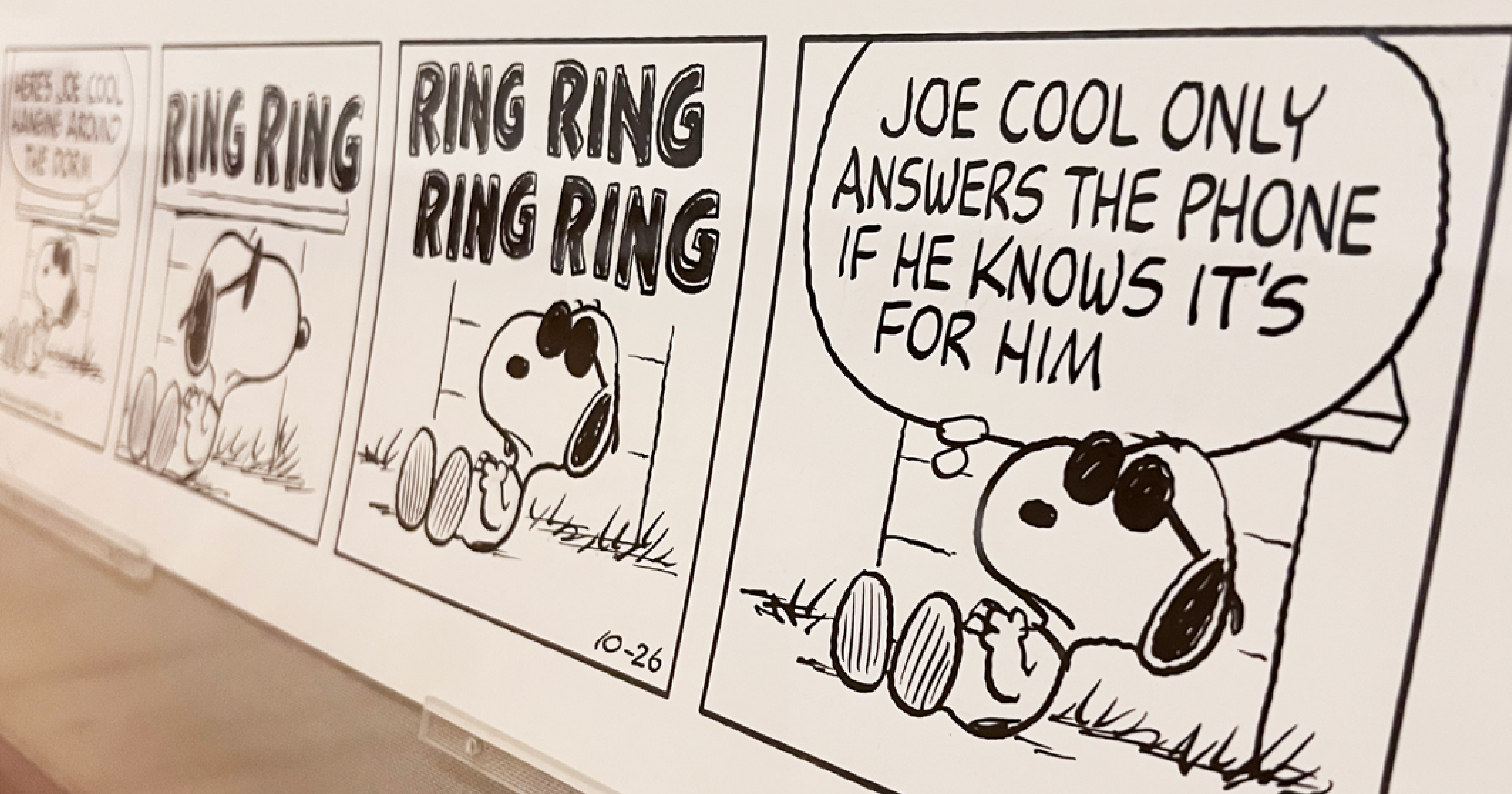
Pop Culture Comes Alive at These Museums
Come along we explore some top spots that bring some of our favorite aspects of pop culture to life.
...
Read More
What to Do When Things Go Wrong on the Road: Preparing for the Unforeseen
No matter how well you prepare, sometimes things just don’t go to plan while out on the road. And while these bumps in the road can be frustrating, that doesn’t mean you can’t be ready with the necessary information needed to spring into action to find a solution.
POLITICAL UNREST AND NATURAL DISASTERS
According to Michael J Bowers, President & CEO, Travel Safety Solutions, LLC, groups should always prepare for the unexpected and do their research prior to traveling.
“The U.S. Department of State’s Bureau of Consular Affairs provides detailed destination specific travel and risk information for U.S. citizens to make informed international travel decisions,” Bowers said. “You can also find out where U.S. embassies and consulates are in the area you are traveling to.”
In addition to the threat level rating, Bowers suggests registering for the Smart Traveler Enrollment Program, enabling you to receive messages and alerts from the U.S. Embassy and to make it easier for them to locate you in case of an emergency. Bowers recommends having pre-determined meeting places in the event the group gets separated. Should you be in a location where a demonstration or commotion breaks out, everyone knows to quickly leave and meet at this spot.
In the event of severe weather events, ensure travelers prioritize safety over leisure while listening to direction from local officials. Keep valuables such as your passport on you at all times, contact your Embassy and travel insurance company who can assist during a weather crisis, and if possible, have cash on hand.
LOST VALUABLES
Before an international trip, it’s wise to make copies of your passport should you lose it.
“Travelers should make a paper copy of their passport and pack it in their luggage,” Bowers explained. “In addition, they can take a picture of the passport on their phone, as they’ll need their passport number when applying for a replacement.”
The first step to take should one’s passport get lost is to contact the U.S. State Department by visiting their website or calling 202-501-4444 for assistance.
“Once you’ve contacted the Embassy, they’ll guide you through the process of obtaining a new emergency passport,” Bowers added.
Unfortunately, sometimes checked luggage gets lost. And while there’s only so much you can do in this situation, Bowers suggests preparing by: using a smart tag (such as an Apple AirTag) to monitor your luggage’s location yourself; downloading your airline’s app to take advantage of their bag tracking program (if available); and asking an agent to confirm your bag tag is properly affixed.
Be sure to report your lost luggage to your airline’s baggage service office right away and keep all documentation given by the agent safely stored for reference.
AVIATION WOES
Flights can be delayed or overbooked, causing major headaches and stress. Bowers suggests ensuring travelers have a pre-assigned seat upon booking and to check in for their flights via their airline’s app as soon as possible—typically 24 hours prior to flying.
“When you do this, you’ll see your seat assignment on the boarding pass. That process takes that available seat out of inventory in the airline's reservations system,” Bowers explained. “When a flight is oversold, the last people to check-in may not get a seat assignment and are directed to the podium at the gate. Held seats may be released 30 minutes before departure on international flights and as late as 15 minutes before departure on domestic flights. Hopefully when this happens, everyone is accommodated.”
If a delay or cancellation occurs, stay patient and try to rebook through your airline’s app or speak directly with a gate agent. You could even browse alternative flights ahead of time to advise on which replacement flight you’d prefer, if it ends up being available. Remember: Being kind is never a bad thing!
PURCHASE SOME PEACE OF MIND
“Travel insurance is something you should never leave home without,” Bowers emphasized. “The coverage can cover additional travel interruption expenses when things go wrong, medical expenses and may even cover some of the expenses you might have in getting your replacement passport, such as ground transportation, passport fees, additional hotel nights, food and beverages, etc.”
Written by Sarah Suydam, Managing Editor for Groups Today.
This article originally appeared in the Jan/Feb ’26 issue of Groups Today.
Want articles like this one sent directly to your inbox? Subscribe to our weekly eNews here.


© 2026 Groups Today - All Rights Reserved. Read our Terms and Conditions